Call or email to confirm the lead time for this item. 012 803 0036 / info@industrialmachinesolution.com
All prices are based on delivery CIP Durban harbour – at an exchange rate of R18/EUR and include VAT.
Pricing is indicative as of 1 June 2022
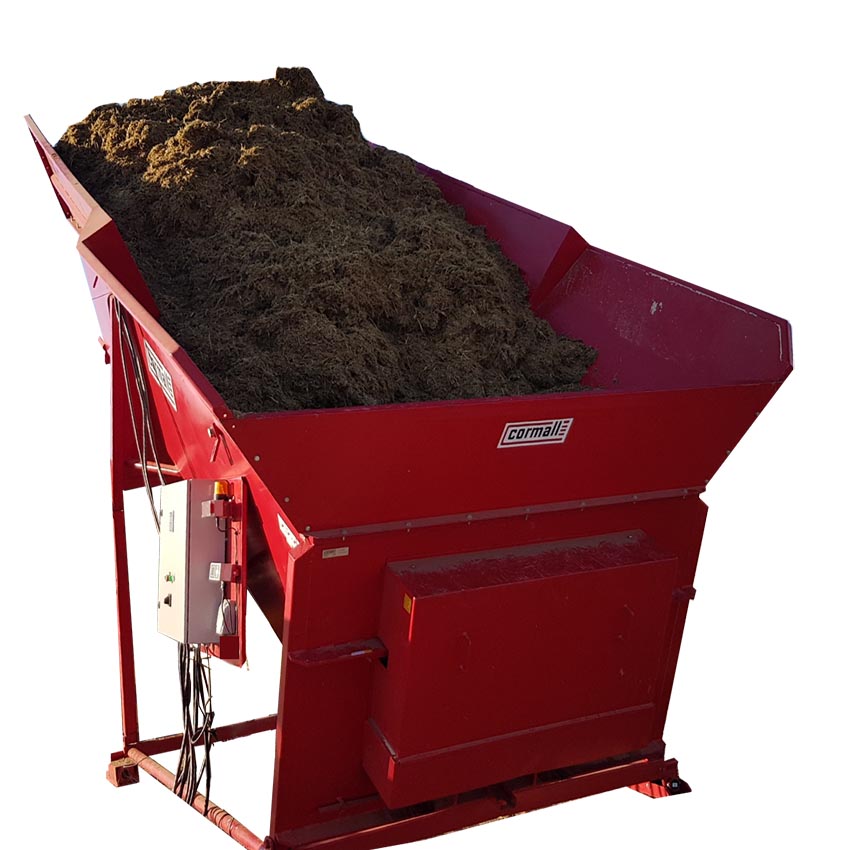
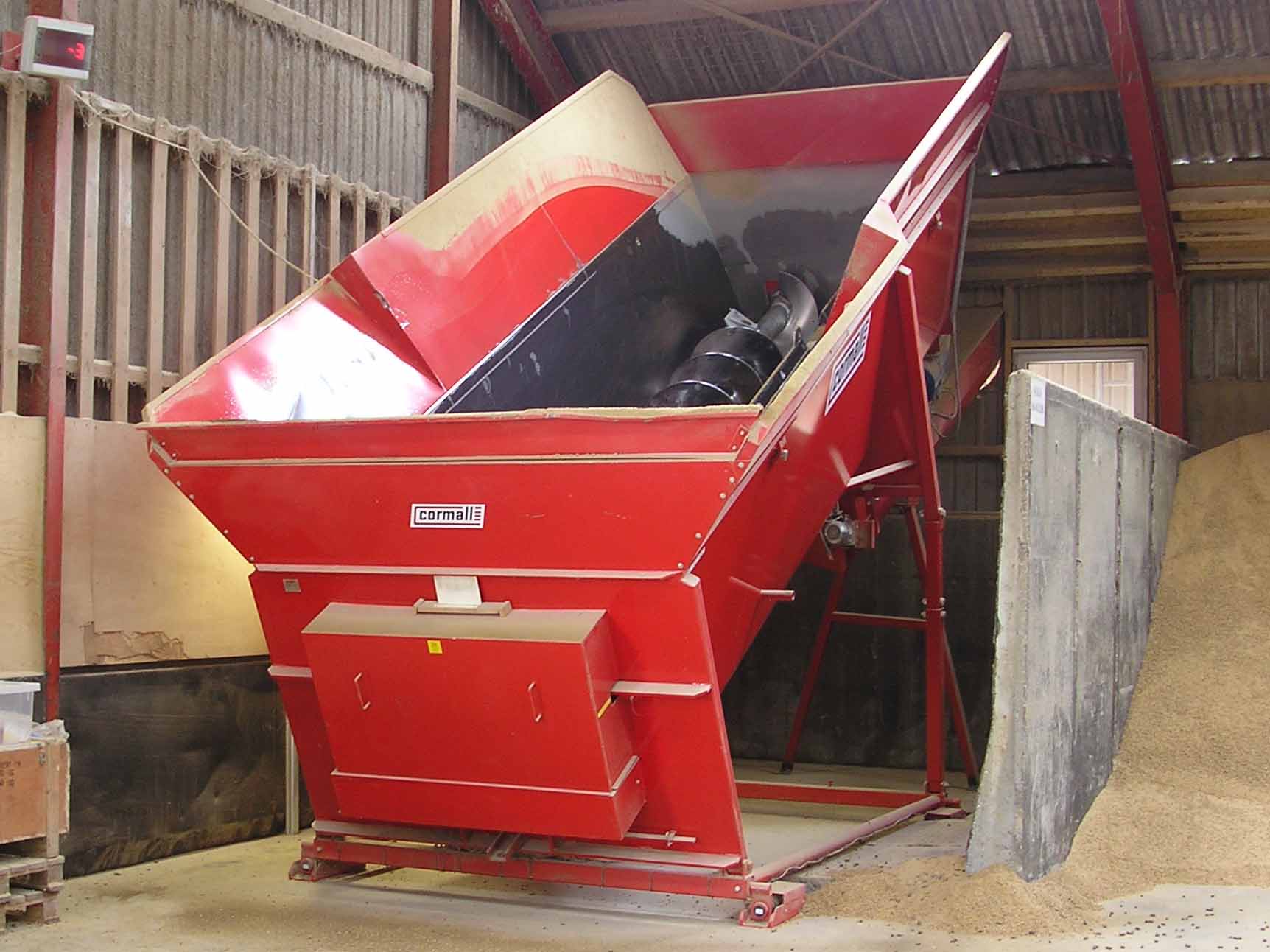
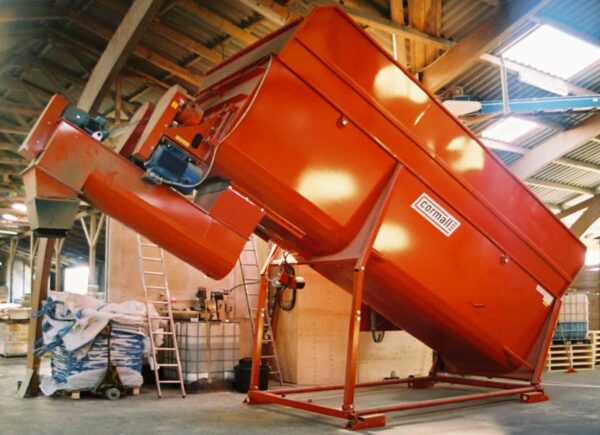
Our Danish sister company Cormall has, for many years focused in straw, hay and silage processing mainly to the biomass energy market but also to the dairy and beef cattle sector.
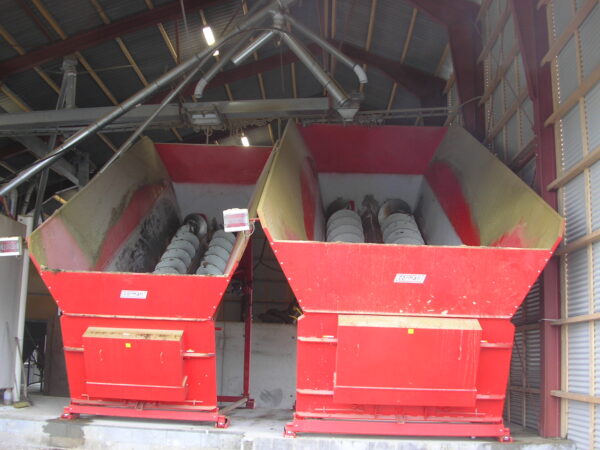
These are classified as very large spiral mixers in capacities
18m³ / 22m³ / 30m³ 42m³ /50m³
And these have been the cornerstone of their feed processing systems.
As an example – the MX30 mixer can handle a mixture of approximately 7.5 tons of TDR (total dairy ration) in one mix and at 8-15 mixes per 8 hour day, up to 120 tons can be processed in a single day.
The most remarkable feature however is the low power consumption of only 44kW on the 50 cubic meter mixer versus at least 240 kW on a similar vertical mixer, or just 18% of a traditional vertical mixers’ power consumption
And the high efficiency difference is obvious when considering the following comparative ratios:
1. Feed variation 16.1% in Cormall vs 41.9% in vertical mixers.
2. Mix variation 3.7% vs 9.4% in the verticals.
3. Mineral variation 2.4% in Cormall mixers vs 9.4% in vertical mixers.
The mixer is filled with fibrous material (silage, hay, grass bales) by front end loaders or bale forks. The bales are added without pre-shredding as the mixers augers are fitted with cutting blades, and the fibrous material is cut to suitable sized lengths during the mixing process – eliminating the need for an additional machine.
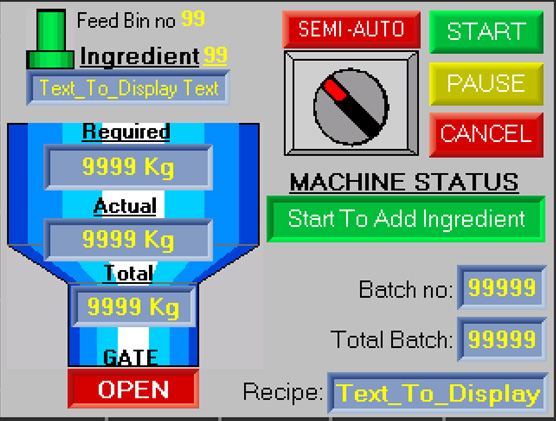
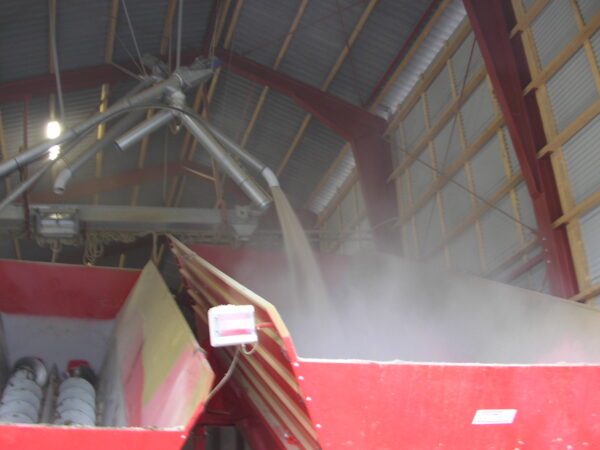
Smaller ingredients and grains are fed into the mixer via auger or bucket elevators – and the dosing can be controlled by die included PLC and scale system mounted onto the mixer.
Mixing takes between 20 and 40 minutes per batch – depending on the raw material used (for example we have seen that mixtures with high eragrostis grass bales content mix and cut slower, [because the grass is much tougher and harder] than mixtures that are high in silage and wheat hay)
After mixing – the mixer’s discharge chute is opened hydraulically, and the feed is discharged from the top of the mixer – either into a waiting feeding trailer, or into a conveyor for further processing, or conveyance directly to feeding areas (for example in dairies)
Poultry, swine and other feeds can be mixed with the same efficiency and is easily loaded without additional conveyors into bulk cars.
For a technical datasheet click here: Multimix Feed Blender
For studies and comparisons on the efficiency of the Multimix Blender – click here: Brochure and info MTX and here: Additional information – MTX
| Weight | 500 kg |
|---|---|
| Dimensions | 200 × 150 × 350 cm |
| Size |
Multimix 18m³ – 2 x 11KW drive, Multimix – 22m³ – 2 x 15KW drive, Multimix – 30m³ – 2 x 18.5KW drive, Multimix – 42m³ – 2 x 18.5KW drive, Multimix – 50m³ – 2 x 18.5KW drive |